
+
+
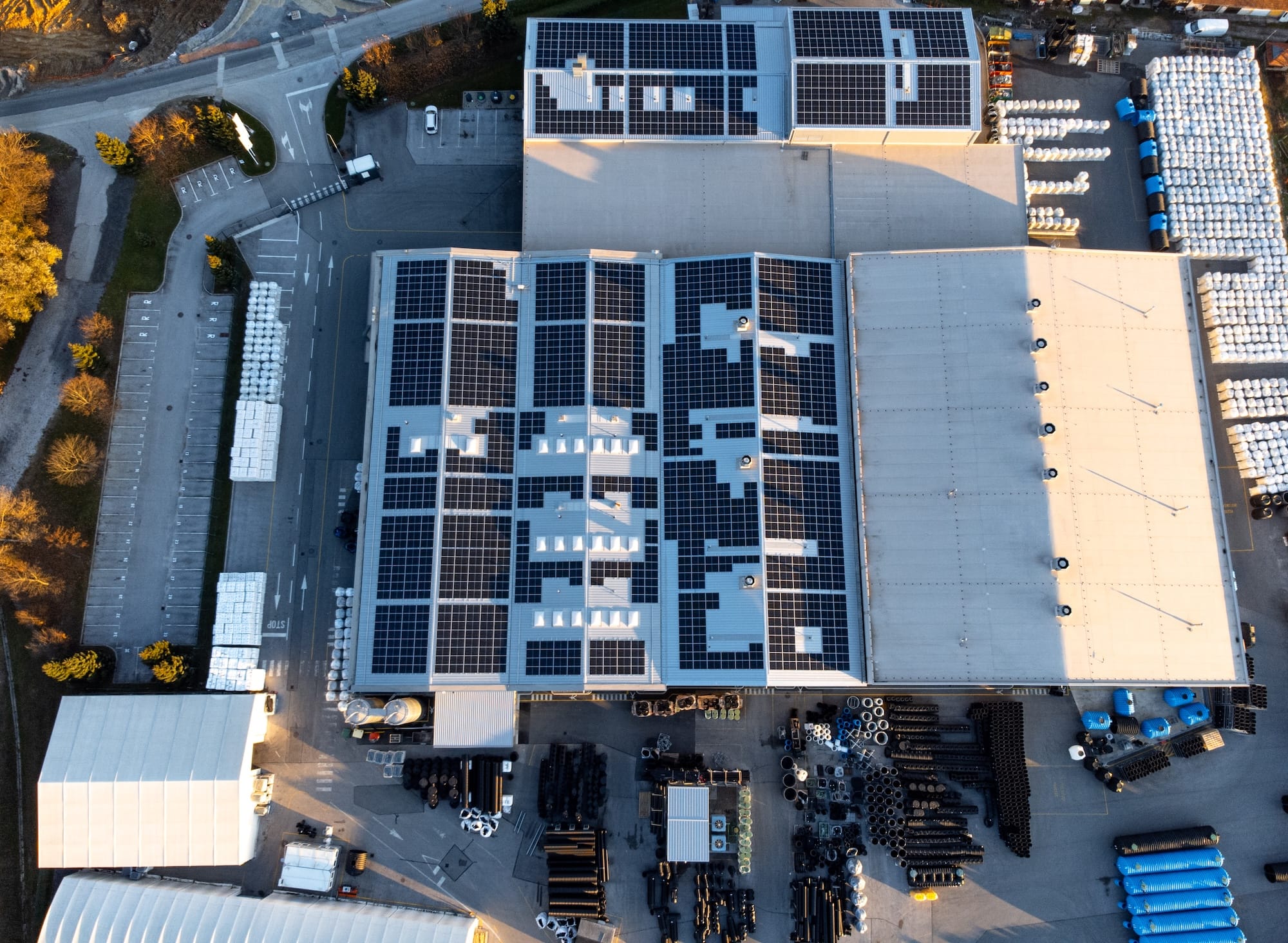
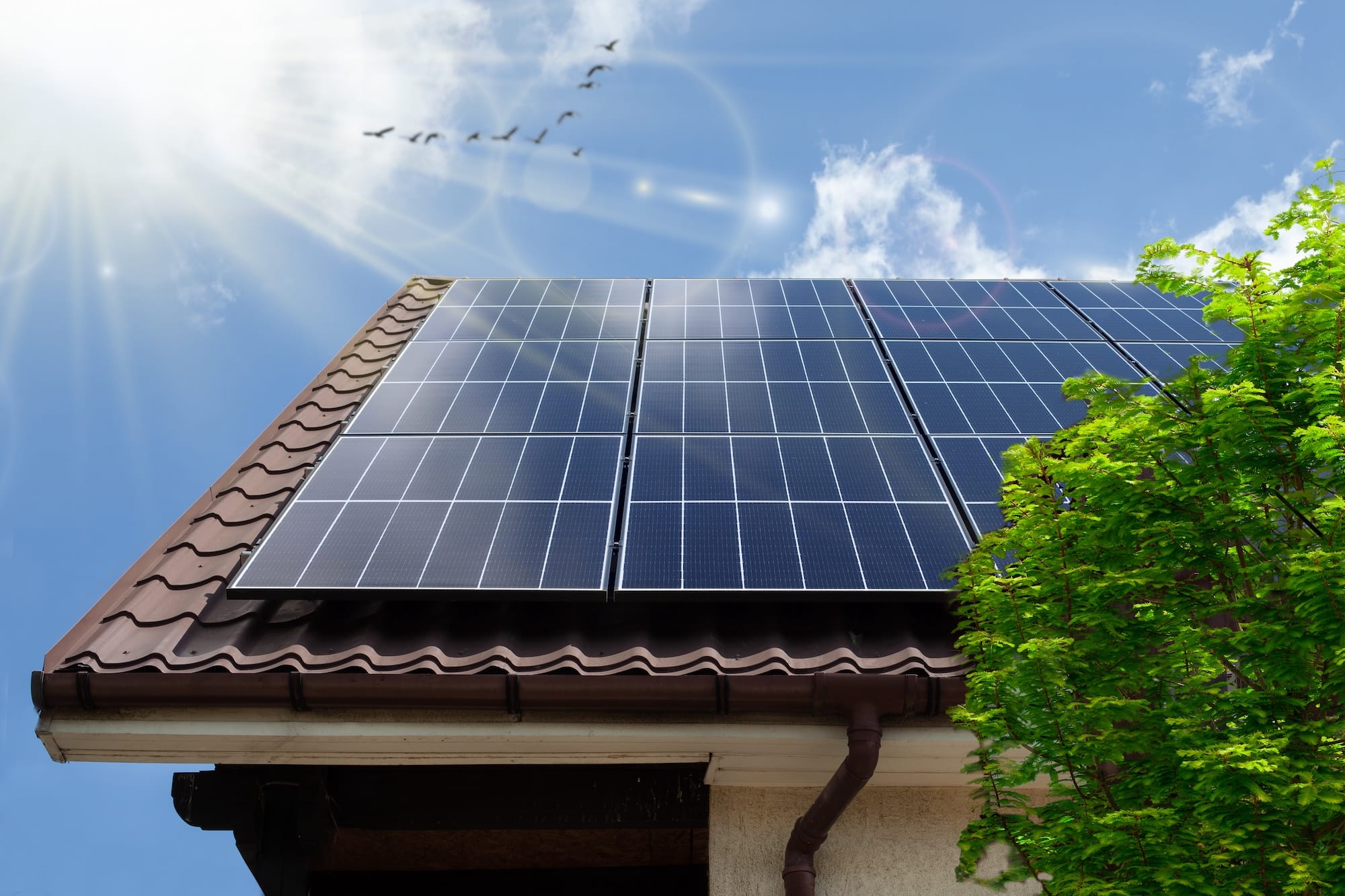
Gesolar Cyprus designs, supplies and installs solar photovoltaic systems for homes and businesses across the island. As Cyprus slowly transitions towards renewable energy, a photovoltaic system remains one of the most profitable investments a homeowner or business owner can make, letting a property offset its electricity bill instead of relying solely on the grid. Cyprus receives some of the highest solar irradiation in Europe, meaning faster payback on solar panels and stronger long-term savings. From the first site survey to installing photovoltaic panels and connecting to Cyprus's net-billing photovoltaic programme, our team manages every step of the installation, backed by after-sales service and remote monitoring systems for anyone who wants extra energy independence.
Yes, meaningful incentives exist, though they took a different shape during 2026. Once net-metering closed to new applicants early in the year, the weight of government schemes shifted toward supporting net-billing systems paired with storage batteries, for households and businesses alike.
Alongside that, the tax reform in force since 1 January 2026 introduces a new personal "Green Transition" deduction. It covers capital expenditure on improving the energy efficiency of a main residence, which is where photovoltaic systems and electricity storage batteries fall. The amount reaches up to €1,000 per year for each taxpayer, subject to income criteria, and if it isn't fully used within the year the cost was incurred, the remainder can be carried forward and claimed across the following four years.
Because these programmes and their conditions are refreshed regularly, the Gesolar team keeps track of every development and guides each client toward the full set of incentives they qualify for.
Net-billing is the framework that replaced net-metering for new connections, though it applies differently depending on whether the property is a home or a business.
For households, the offset is calculated over each two-month period: the EAC compares the energy your system produced against what you consumed across the billing cycle. When your production exceeds your consumption, the surplus isn't lost; it carries over as a credit on your next bill.
For commercial use, the "standard" net-billing model applies: energy fed into the grid is credited at a lower rate than the price you pay when buying electricity back.
In both cases, the key to maximum savings stays the same: self-consumption. The more of your own generated energy you use as it's produced, or store in a battery for later, the less you draw from the grid and the smaller your final bill.
For most homes, a typical photovoltaic system installation takes one to three days once permits are approved, while larger commercial systems take longer depending on roof size.
Gesolar handles the full installation process, from design and permits to grid connection, so clients don't have to coordinate multiple contractors.
Gesolar installs high-efficiency monocrystalline silicon panels, chosen for strong performance even during Cyprus's hottest summer months. Each panel is tested and certified before installation, and every module comes with a manufacturer's performance warranty.
As a sunny Mediterranean island, Cyprus enjoys among the highest levels of solar irradiation in Europe, giving solar panels more usable sunlight hours per year than most of the continent.
That is a major reason photovoltaics is considered one of the most reliable ways to cut power costs on the island, whether for a household or a growing company.